
T: +86-15888736999
No.67, Wutong Rd, Three-Two Rd Binhai Industrial Park, Economic & Technoloical Development Zone, Wenzhou, Zhejiang, China


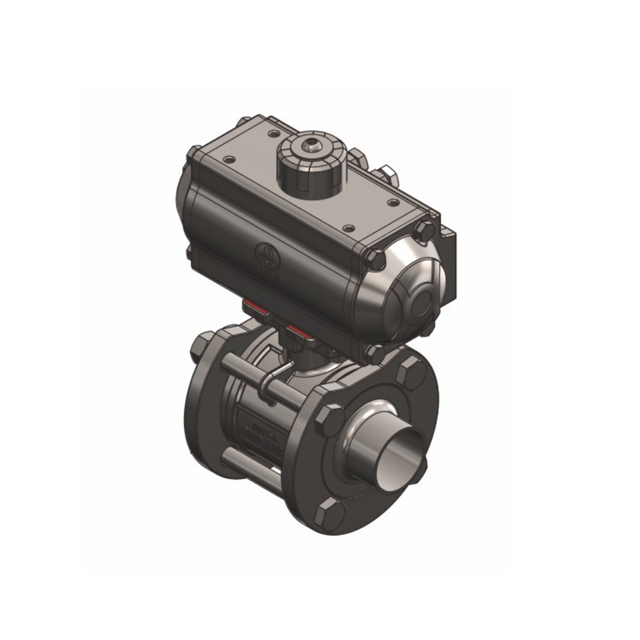


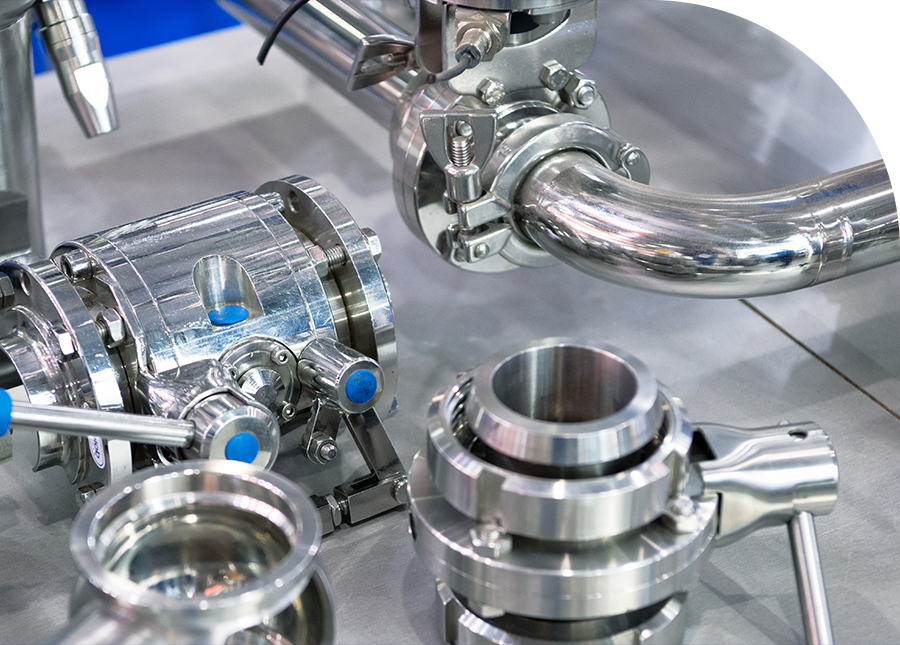




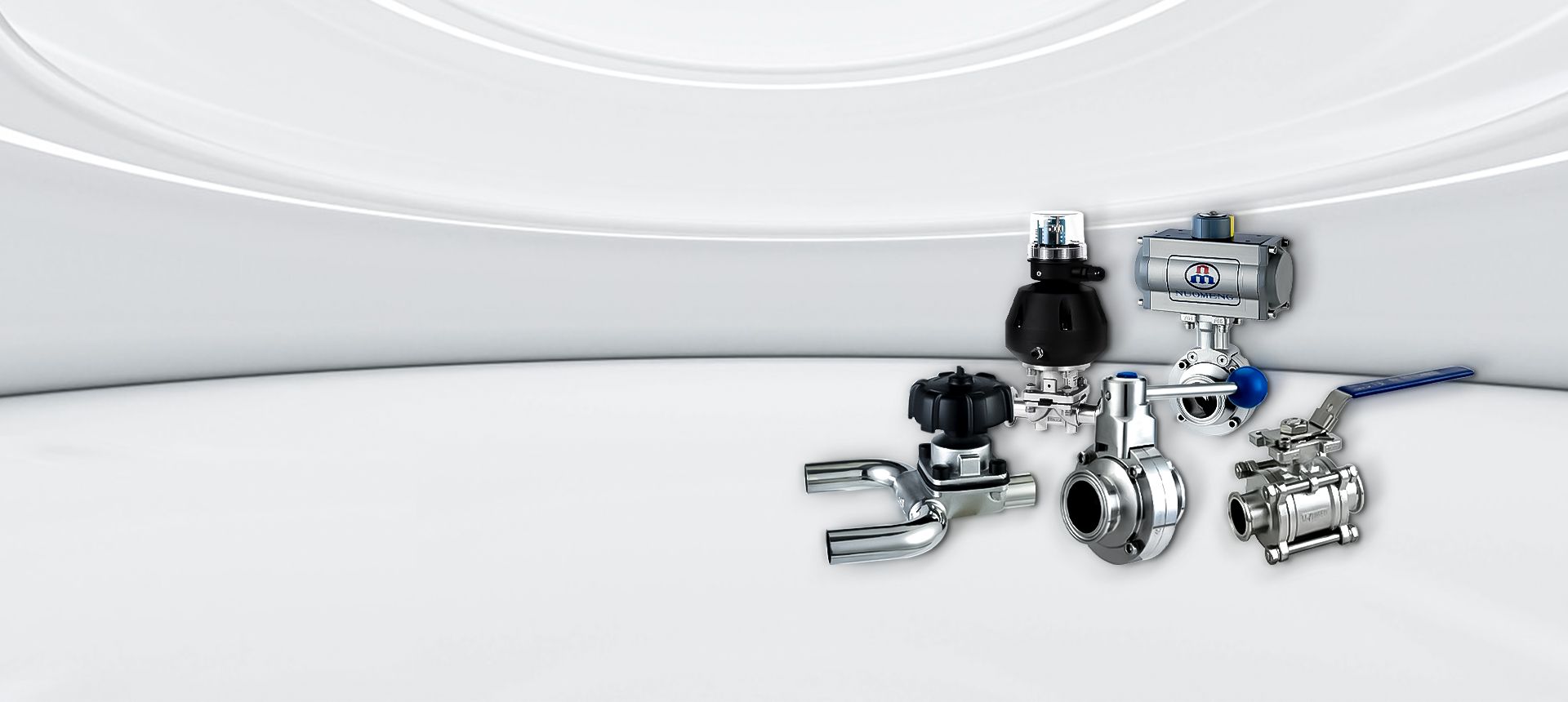
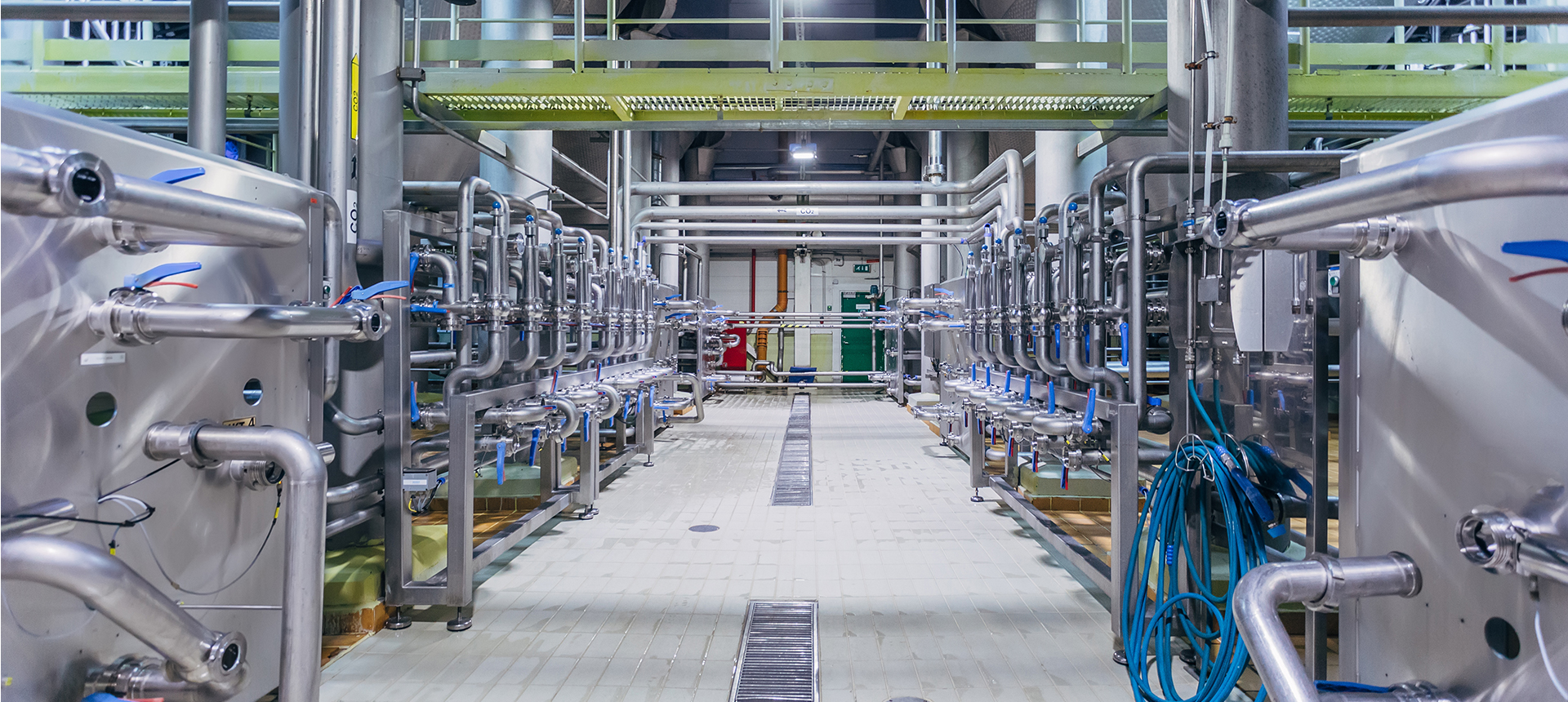
Sanitary valves play a crucial role in various industries, ensuring the safe and efficient flow of liquids and gases. But what exactly is a sanitary valve and why is it so important? In this article, we will delve into the functionality of sanitary valves, explaining how they work and why they are necessary for maintaining hygiene and preventing contamination in industries such as food and beverage, pharmaceutical, and biotechnology.

Master angle seat valve flow direction & fail-safe modes to prevent water hammer and leaks. Installation & troubleshooting tips for reliable control.

Select the right sanitary valves for dairy to prevent contamination and downtime. Compare butterfly, ball, and mixproof designs plus seal selection.

Stop batch contamination. Compare standard vs. non-retention sanitary ball valves to eliminate dead space, optimize CIP, and ensure FDA compliance.